Welcome to our conference
We were delighted to welcome you to our 10th Annual Afore Consulting Fintech and Regulation conference which took place on 3 February 2026.
This year, we were privileged to have a stellar line-up of policy makers, regulators and industry who shared with us how they see digital finance evolving and the role the EU can play.
Now in our 10th year, we are grateful for the continued support of these annual conferences bringing together the European and international perspectives on FinTech developments.
These developments are shaping financial services and its intersection with evolving new technologies.
We are delighted to be part of this process.
09:00 - 09.05
09.05 - 09.20
09.20 - 09.40
09.40 - 10.15
10.15 - 10.30
10.30 - 10.45
10.45 – 10.55
10.55 - 11.05
11.05 – 11.45
11.45 – 12.05
12.05 – 12.45
rules - Is the Industry Safer?
12.45 – 13.00
13.00 – 14.00
14.00 – 14.15
14.15 – 14.30
14.30 – 15.15
15.15 - 15.55
15.55 - 16.15
16.15 - 16.30
16.30 - 17.30
17.30 - 17.40
17.40
Followed by a
Welcoming remarks
Nickolas Reinhardt, Director, Afore Consulting
Opening Keynote
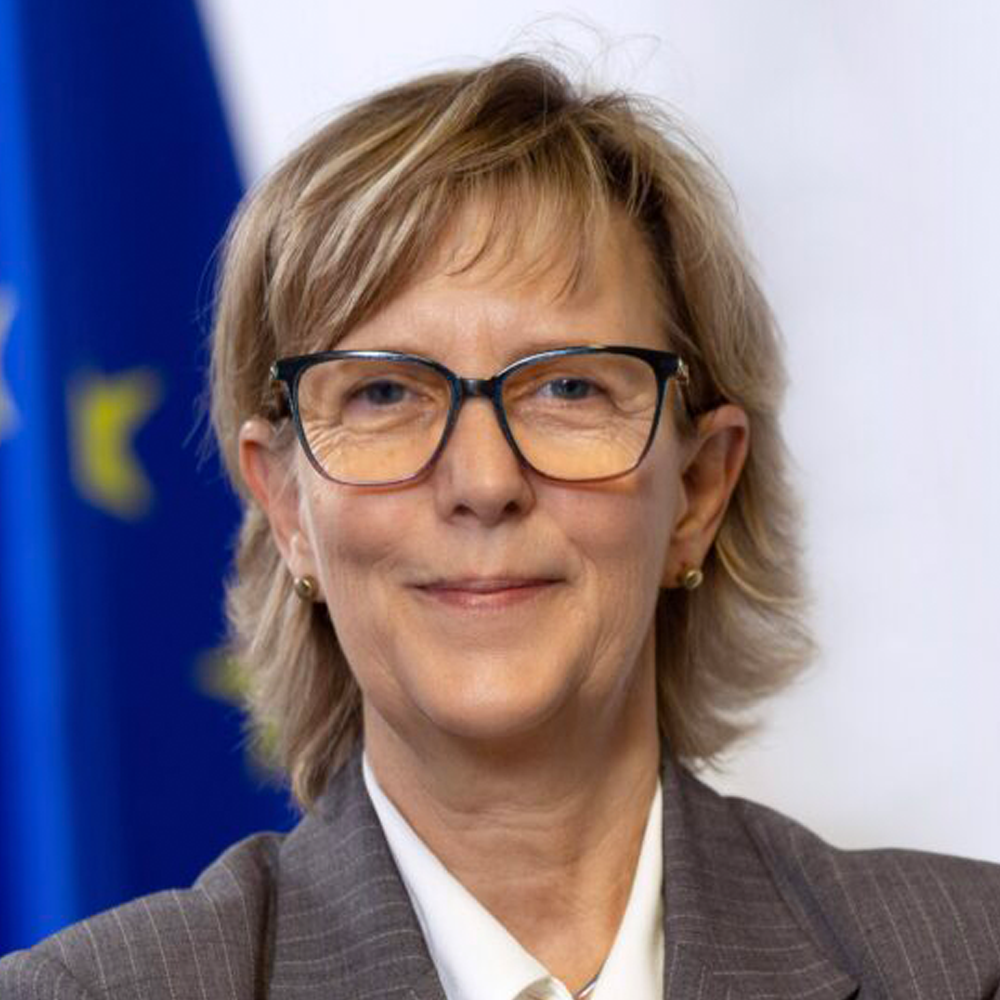
Maria Luís Albuquerque, Commissioner for Financial Services and the Savings and Investments Union
Fireside Chat
Moderator: Nickolas Reinhardt, Director, Afore Consulting
• Bruce Lowthers, CEO and Executive Director, Paysafe
Getting the Global Response Right?
Moderator:
- Nickolas Reinhardt, Director, Afore Consulting
Speakers:
- Claude Marx, Director General, Commission de Surveillance du Secteur Financier (CSSF)
- Emmanuel Givanakis, CEO, FSRA of Abu Dhabi Global Markets
- Tom Mutton, Director, Bank of England
- Joe Heneghan, Partner & CEO, Revolut
Fireside Chat
Moderator: Nickolas Reinhardt, Director, Afore Consulting
• Cónal Hickey, Vice President, Security and Resiliency Practice Leader, Kyndryl Strategic Markets
Fireside Chat
Moderator:Nickolas Reinhardt, Director, Afore Consulting
Renate Nikolay, Deputy Director-Generall, DG CONNECT, European Commission
Coffee Break
Tech Talk: the Future of Agentic AI
Viviane Eide, UX Research Leader, Google Payments
AI: Delivering on Compliance or Creating New Headaches?
The financial services industry is increasingly introducing AI-powered solutions, not least Agentic AI that potentially can autonomously make decisions with minimal human oversight. This raises questions how regulators and supervisors can best deliver on their mandate in this changing environment but also what opportunities AI brings to the industry and the simplification of supervisory processes.
The panel will explore what the rapid evolution of the technology means for the financial services sector: Is the AI Act still fit for purpose to advance Europe’s global competitiveness? How is AI being used by financial services and how is this expected to be evolving? What obstacles does the financial services industry face in developing and deploying AI solutions? What do the increasing use of AI mean for the role of supervisors? What should we expect from the planned sectorial-specific supervisory guidance for the financial services sector? How can AI support compliance and supervisory effectiveness? What role is there for international standard setters to adopt common approaches when it comes to the use of AI by internationally active financial services groups?
Panel
Moderator:
- Jon Bromma, Global head of Payments and Financial Policy, Meta
Speakers:
- Carmine Di Noia, Director for Financial and Enterprise Affairs, OECD
- Derville Rowland, Board Member, AMLA
- Elie Beyrouthy, Chair of EPIF & Vice President Government Affairs, American Express
- Jessica Rusu, Chief Datta Information and Intelligence Officer, Financial Conduct Authority (FCA)
- Regina Doherty, Member of the European Parliament
Fireside Chat
Petra Hielkema, Chair, European Insurance and Occupational Pensions Authority (EIOPA)
Operational Resilience: One Year Into the new EU
rules – Is the Industry Safer?
The new European operational resilience framework for ICT services in the financial services sector will now be in place for one year. Supervisors and the industry have gained their first experience with the framework. The European Supervisory Authorities (ESAs) are also adapting their broader outsourcing guidelines to reflect the new reality of DORA. The Single Supervisory Mechanism adopted its own guidelines. With the ongoing interest in simplification, the European Commission is now evaluating the efficiency of the EU’s wider cyber resilience framework.
The panel will explore how DORA is functioning. Are the ICT registers working well? What have been the challenges in making DORA operational? What steps have the ESAs taken to establish the new oversight framework for critical ICT providers? Are concerns in some quarters that the framework introduces extraterritorial rules justified? Has the choice of a sector-specific cyber resilience framework for financial services proven to be the correct approach? Should DORA be subject to efforts to simplify the framework, for example by establishing a central hub for incident reporting? How can we ensure better international cooperation when it comes to cyber resilience?
Panel
Moderator: Ondrej Kovarik, Former Member of the European Parliament
Speakers:
- Hendrik Bourgeois, Senior Vice President Government Affairs & Policy, Europe
- Peter Kerstens, Advisor for Financial Sector Digitalisation and Cybersecurity, DG FISMA
- Moira Cronin, Partner, PwC
- Natalya Rey, Director of Global Regulatory Affairs, Google Cloud
Keynote
Patrick Montagner, Supervisory Board Member, European Central Bank (ECB)
Lunch Break
Europe’s Digital Autonomy: Between Fault Lines and Vault Lines
Steven Maijoor, Executive Board Member and Chair of Supervision, Dutch Central Bank
Keynote
Verena Ross, Chair, ESMA
Tokenising Securities Markets: From DLT Pilots to Real Transformation?
The European Commission has decided to update its DLT pilot regime. This will in theory facilitate the roll out of DLT-based technological solutions in the areas of securities trading and post-trading. Other jurisdictions are adopting similar approaches. A key component of making the DLT technology work is to legally recognise the tokenised form of securities. In the EU, Luxembourg and Malta have been leading the way but more could be done at a European level.
Panellists will be asked to explore some of the following questions: What is the potential of DLT and tokenised securities to transform European securities and fund management markets? What would be the likely impact of the new DLT proposal? What would be the potential benefits of moving to the recognition and use of tokenised securities? Could this facilitate retail investor participation, such as through fractional securities and direct access to financial infrastructure? What can we learn from the crypto markets? How should the cash settlement of securities transactions be best handled in a new DLT environment: is there a choice between stablecoins and the digital neuro? Is this an area where there is more scope for international cooperation?
Panel
Moderator: Peter Kerstens, Advisor for Financial Sector Digitalisation and Cybersecurity, DG FISMA, European Commission
Speakers:
- Carlo Comporti, Commissioner, CONSOB and Chair of ESMA Digital Finance Standing Committee
- Prof. Christopher P. Buttigieg, Chief Officer Supervision, MFSA
- Mohamad Zaraket, Head of Digital Assets Strategy, EMEA, BNY
- Paul Brody, Global Blockchain Leader, EY
- Tom Duff Gordon, Vice President of International Policy, Coinbase
Looking towards a wider world
Moderator: Nickolas Reinhardt, Director, Afore Consultin
- Jean-Paul Servais, Chair, International Organization of Securities Commissions (IOSCO) and Financial Services and Markets Authority (FSMA)
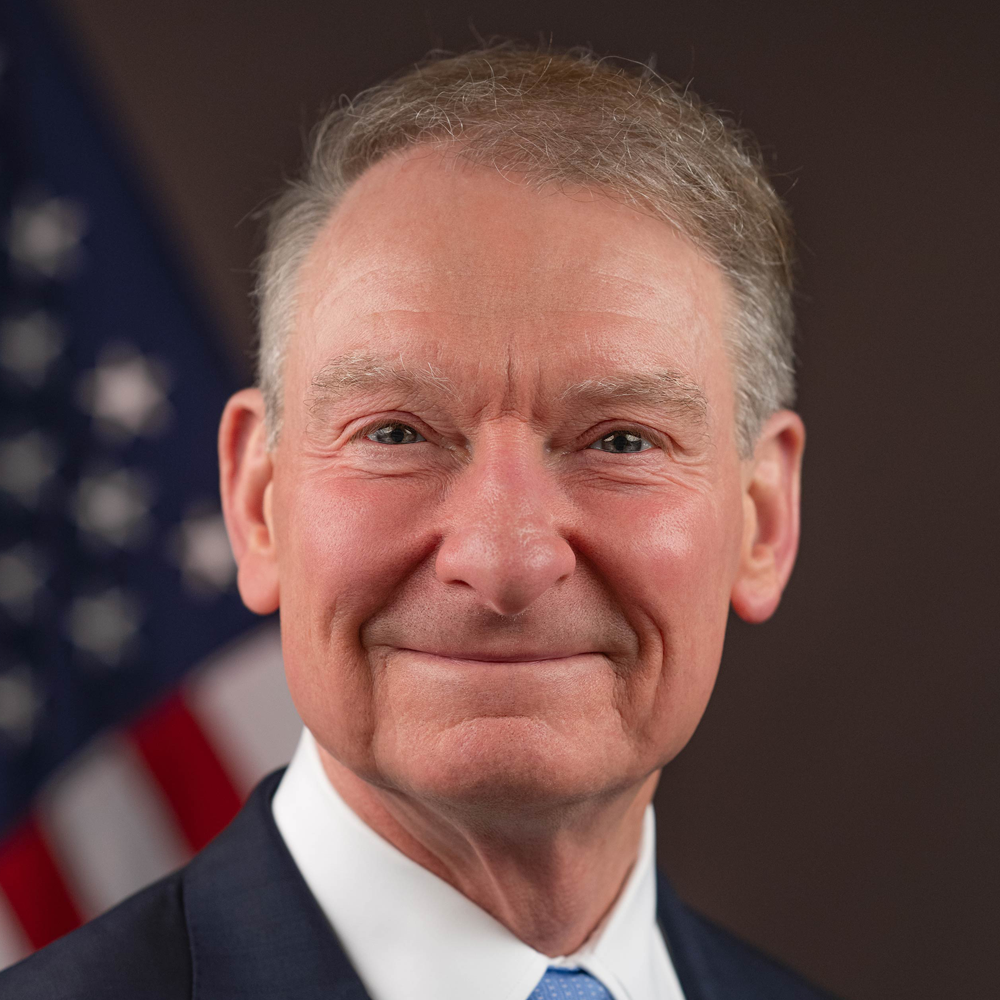
- Paul Atkins, Chair, Securities and Exchange Commission
Keynote
Burkhard Balz, Member of the Board, Deutsche Bundesbank
Coffee Break
MiCA: One Year In – Are we seeing the First Move Advantage?
At the time of this panel MiCA (the Markets in Crypto Assets Regulation) will be in force for a year. Some of the provisions related to stablecoins will even be in force for 18 months. The Commission will have also just released a first evaluation report. Other jurisdictions have been following suit with their own regulatory and supervisory regimes, not least the USA. Views also differ across the world whether to offer public solutions, central bank digital currencies, or leave such solutions to the private sector in the form of stablecoins, at times even turning these into part of a country’s strategic reserve.
This panel will discuss their experiences in the implementation of MiCA. Has MiCA delivered the innovation and market integration that was hoped for? Is the regime still fit for purpose or does it already require updating, such as by incorporating new services, reflecting new decentralised market structures or advancing direct supervision for the largest service providers? What role is there for international cooperation when it seems different parts of the world are pursuing their own strategies when it comes to crypto assets? Should we start and think of crypto assets as a new means of payment or investment asset class and what does this mean for European regulation?
Panel
Introductory Statement:
- Marie-Anne Barbat-Layani, Chair, Autorité des Marchés Financiers (AMF) and ESMA Investor Protection Standing Committee
Moderator:
- Mattias Levin, Head of Unit, Digital Finance, DG FISMA, European Commission
Speakers:
- Fabian Astic, Managing Director and Global Head of Digital Economy, Moody’s
- Faryar Shirzad, Chief Policy Officer, Coinbase
- George Theocharides, Chairman, Cyprus Securities and Exchange Commission (CySEC) and ESMA Risk Standing Committee
- Rupert Schaefer, Chief Executive Officer Strategy, BaFin
Keynote (Video)
- Stéphanie Yon-Courtin, Member of the European Parliament
Closing remarks
- Nickolas Reinhardt, Director, Afore Consulting
- John Berrigan, Director General, DG FISMA, European Commission
Networking Drink
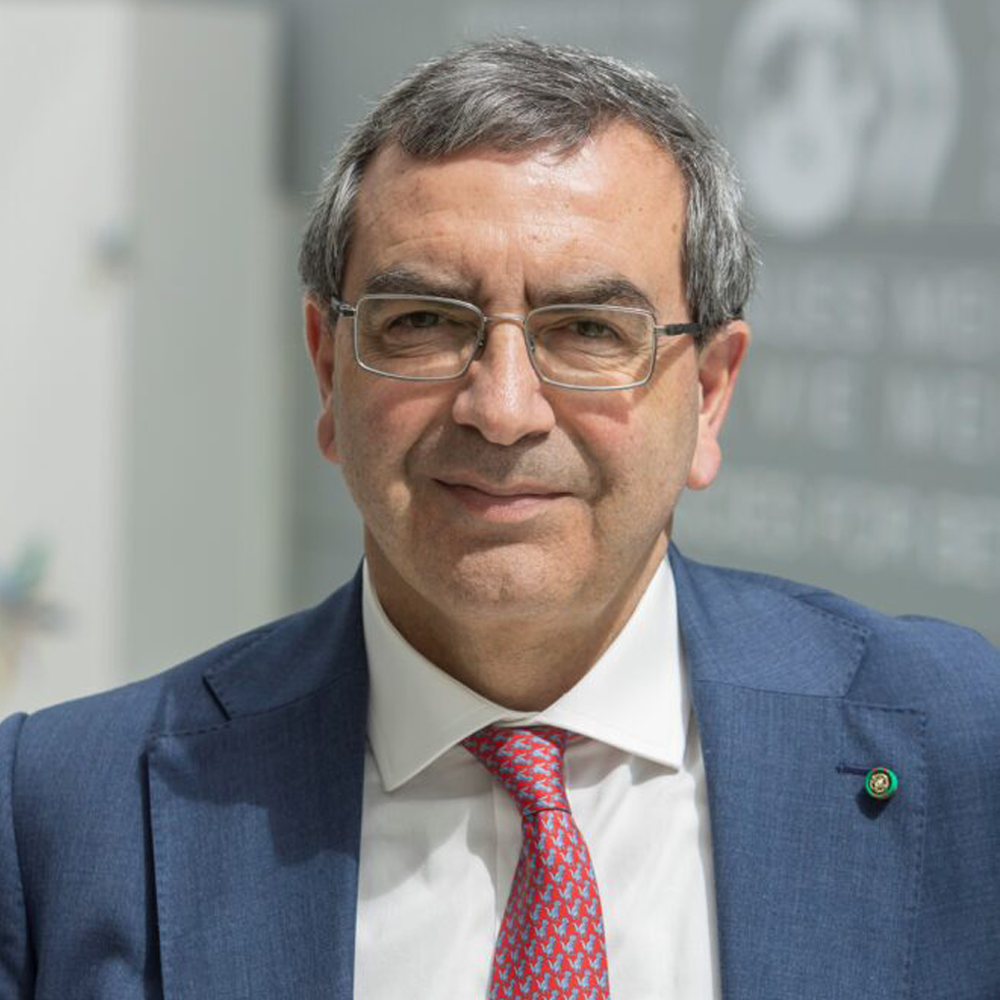
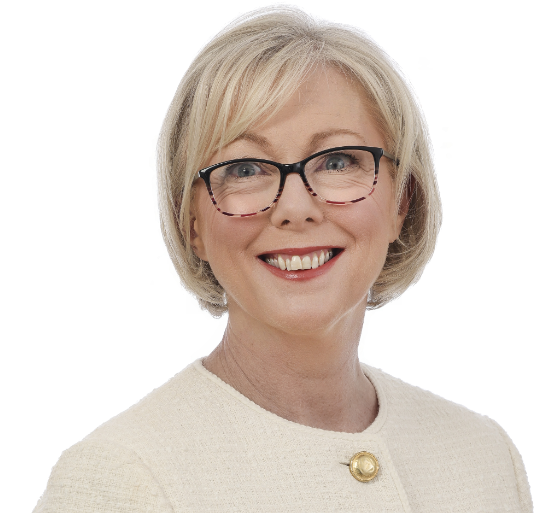
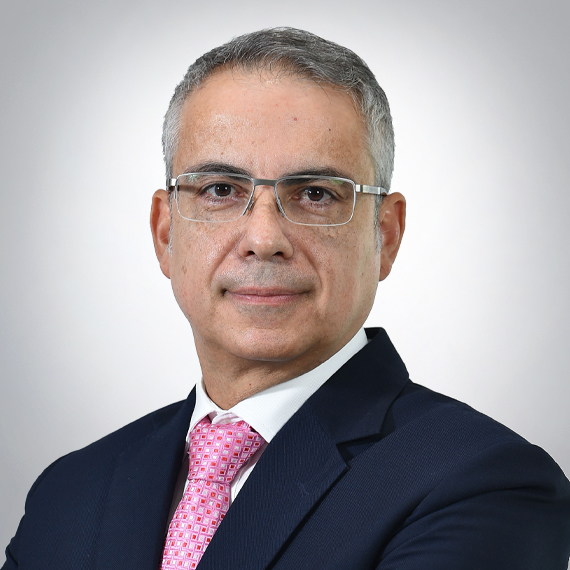
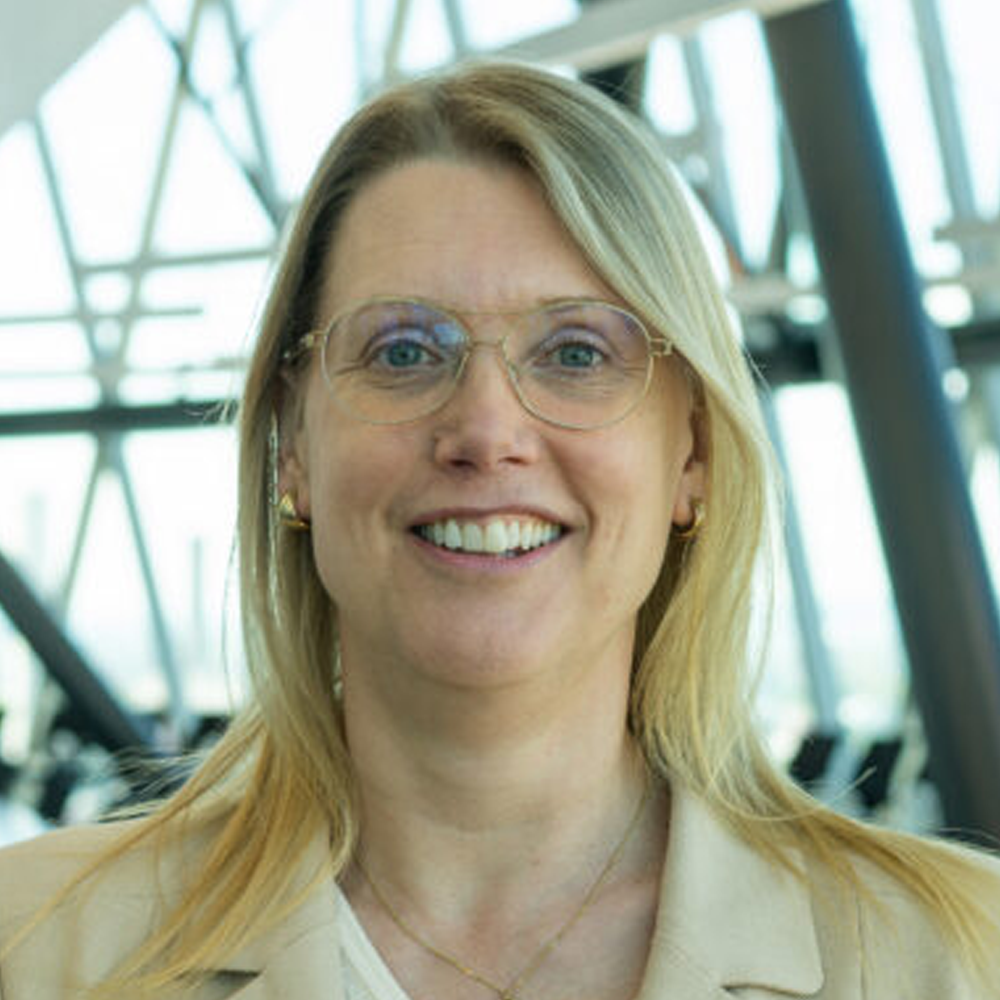
Speakers














Sponsors



ADGM

EPIF

EY

Google Cloud

Mastercard

meta

Moody’s

pwc